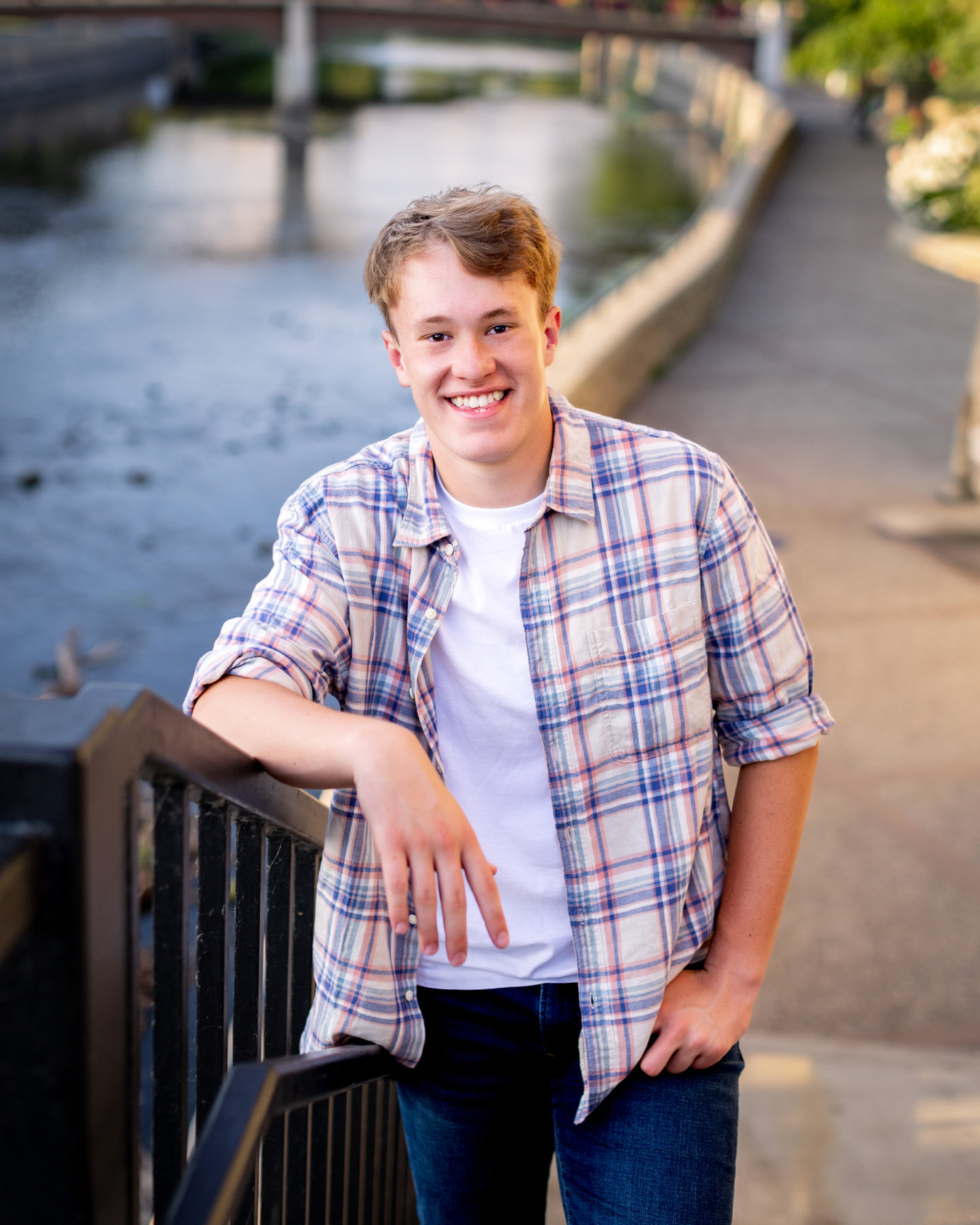
Photography is both an art and a science. A great photo session doesn't happen by accident—it requires thorough planning, creativity, technical skill, and attention to detail. Whether capturing intimate family portraits, large group events, or elegant weddings, a seasoned photographer in Saint Paul MN follows a comprehensive preparation process to ensure each session delivers meaningful and visually compelling results.
Clients may only see the end product, but behind every polished image is a thoughtful approach that begins long before the first click of the camera. This article explores how a professional photographer prepares to ensure that every session meets and exceeds expectations.
Every successful photo session begins with understanding the client's goals. Before any camera is unpacked, the photographer engages in discussions to learn what the client wants from the shoot. Whether it'sfamily photography filled with warm interactions, professional headshots, or styled portraits, knowing the purpose helps the photographer shape the direction of the session.
These conversations typically cover tone, emotion, location, wardrobe suggestions, and any must-have shots. The photographer may also ask questions about where the photos will be used—on social media, in print, or as wall art—which influences framing and composition choices.
Once the session's purpose and tone are established, the photographer chooses the appropriate gear. This selection depends on the shoot type, lighting conditions, and location. Aportrait studio session might require different lenses and lighting setups than an outdoor sunset shoot or an indoor party setting.
A well-prepared photographer checks cameras, charges batteries, tests flash units, and cleans lenses to ensure there are no surprises during the session. Extra memory cards, backup cameras, and portable lighting solutions are packed as a safeguard.
Whether shooting indoors or on location, a professional photographer always studies the environment before the session. If the shoot will take place in aportrait studio, the layout and backdrops are considered ahead of time, ensuring seamless transitions between shots.
For outdoor or unfamiliar venues, such as parks, homes, or event spaces, visiting the site allows the photographer to assess natural light, background elements, potential distractions, and ideal vantage points. For awedding photographer, this step is especially vital, as it helps them plan how to move efficiently throughout the day and anticipate lighting changes.
Time management is essential to any successful photo shoot. A professional photographer creates a detailed timeline that outlines the order of shots, transition times, and any pre-arranged breaks. For event-based photography such asparties photography or weddings, sticking to a schedule ensures that no special moments are missed.
Timelines also help clients relax. They know what to expect, which reduces uncertainty and allows them to enjoy the experience more fully. The photographer adjusts the timeline to accommodate varying needs, especially for sessions involving children, large families, or multiple locations.
Even the most spontaneous and creative photographers benefit from a plan. A custom shot list is created based on the type of session and the client's expectations. Forgroup photography, this might include combinations of people, posed and candid shots, and different locations. Forindividual photography, the list might focus more on expressions, posture, and background variety.
The shot list is flexible, allowing room for creativity while still ensuring all critical images are captured. It serves as a checklist and creative guide throughout the session.
The client's clothing and any props play a crucial role in the overall tone and cohesion of the images. A well-prepared photographer offers guidance on outfit choices—advising on color schemes, fabric types, and coordination for group shots.
In more stylized sessions, props such as chairs, signs, or meaningful items might be included to personalize the experience. A good weeding photographer ensures that these props complement the composition and do not distract from the subject.
Lighting is the cornerstone of compelling photography. Whether using natural or artificial sources, a skilled photographer adjusts lighting setups to flatter subjects and emphasize the mood. In aportrait studio, this might involve arranging softboxes, reflectors, and fill lights for a clean, even look.
For on-location shoots, the photographer evaluates sun position, ambient light, and shade to decide whether to use diffusers or external flashes. Understanding how to manipulate light ensures that every image is balanced, sharp, and true to the intended style.
Comfortable clients lead to natural, authentic photos. Part of preparation involves considering the emotional tone of the session and how to foster a relaxed environment. The photographer may bring music, engage in light conversation, or provide gentle posing guidance to ease any nerves.
This skill is particularly important forfamily photography sessions involving young children or elderly relatives. A calm, encouraging photographer creates a safe space where personalities can shine through, resulting in more genuine and heartwarming photos.
Before the actual session begins, a professional photographer performs a technical rehearsal. This includes test shots to check exposure, color balance, shadows, and framing. Any issues are resolved before the subject even steps in front of the camera.
These dry runs are essential in both studio and outdoor environments. They eliminate guesswork, prevent disruptions during the session, and ensure that every minute of shooting time is productive.
No matter how much preparation goes into a photo session, unexpected challenges can arise. Lighting might shift, a prop could break, or weather could suddenly change. A true professional stays calm under pressure and adapts quickly without sacrificing quality.
For example, awedding photographer may encounter tight timelines or emotional moments that require discretion and speed. Inparties photography, the lighting conditions might be constantly changing. Experience and preparation give the photographer the flexibility to improvise while still delivering outstanding results.
Behind every exceptional photo session is a combination of planning, creativity, and adaptability. A professional photographer in Saint Paul MN brings more than a camera—they bring vision, preparation, and a commitment to excellence. From the first client consultation to the final image delivery, preparation sets the stage for images that resonate emotionally and visually.
Whether it's capturing timelessfamily photography, executing a detailedgroup photography shot, or creating a powerfulindividual photography portrait, success comes from careful attention to each step of the process. A skilledphotographer understands that each client and session is unique and approaches every opportunity with both structure and spontaneity.
From working in a controlledportrait studio environment to managing the fast pace ofparties photography, the preparation behind the scenes makes all the difference. The goal isn't just to take pictures—it's to create lasting memories, filled with emotion, intention, and artistry that stand the test of time.